Experienced Pickering General Contractor for Home Improvement Solutions
Trusted General Contractor: Building Dreams Into Reality
A dependable general contractor is crucial in turning architectural visions into physical structures. By managing timelines and budgets, they guarantee projects run efficiently. Their expertise builds a collaborative environment, key for minimizing risks. However, not all contractors are the same. Understanding how to choose the right one is fundamental for any successful project. What key qualities should one look for, and how can they influence the overall outcome?
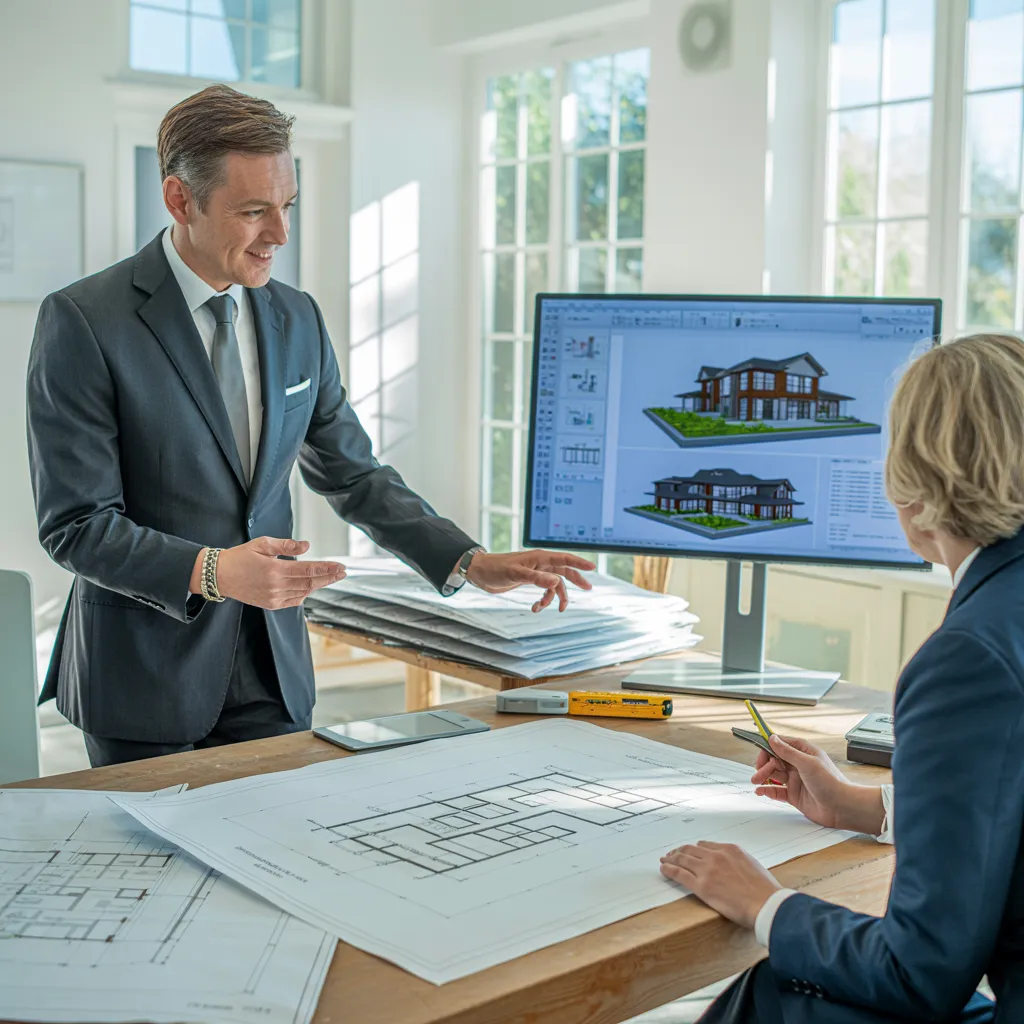
Steps to Determine a Reputable General Contractor
Can one evaluate the reliability of a general contractor? Reviewing a contractor's track record remains crucial. An effective method is to request referrals from friends, family, or online reviews, which supply information regarding historical results and client satisfaction. Furthermore, verifying proper licensing and insurance confirms that the contractor complies with industry standards and safeguards against foreseeable issues. Examining completed projects, whether through portfolio samples or site visits, helps you to evaluate the standard of their workmanship.
Additionally, securing multiple bids enables analysis of rates and project timelines, exposing any variations that may point to questionable trustworthiness. Effective interaction is yet another vital consideration; a reliable professional should be responsive and transparent in their interactions. Finally, verifying references can supply helpful details about a contractor's work ethic and dependability. By implementing these steps, one can form well-informed choices when picking a construction professional for construction projects.
Core Capabilities of a Skilled General Contractor
A talented construction manager reflects key attributes that confirm project success. Superior communication skills support clear interactions with clients, construction firms, and suppliers, while verified project leadership background assures timely and budget-conscious delivery. These attributes are paramount in transforming a vision into reality.
Excellent Communicative Competencies
While solid project management is essential for a general contractor, strong communication skills often serve as the foundation for fruitful partnerships. These competencies allow a contractor to articulate project goals clearly, ensuring that all team members and stakeholders are aligned. Effective communication builds trust, allowing for transparent discussions regarding timelines, budgets, and changes. A good general contractor carefully hears out clients, subcontractors, and suppliers, handling issues promptly and adapting to feedback. This two-way dialogue not only improves issue resolution but also cultivates a positive working environment. Additionally, clear communication minimizes misunderstandings, which can lead to costly delays or errors. Ultimately, strong communication skills empower a general contractor to manage obstacles efficiently, ensuring that projects progress smoothly from inception to completion.
Demonstrated Project Management Skills
Proving established project management experience is critical for any general contractor intending to achieve success. Effective project management involves meticulous planning, resource allocation, and timeline adherence. A seasoned contractor exhibits the ability to coordinate diverse teams, ensuring that architects, engineers, and subcontractors cooperate efficiently. Additionally, they adeptly navigate challenges, applying problem-solving skills to keep projects on schedule and within budget. Their experience allows them to anticipate potential problems, mitigating risks before escalation. Furthermore, strong project management encourages transparency, keeping clients informed throughout the construction process. By emphasizing quality control and complying with safety standards, a general contractor with established experience delivers not only excellent results but also builds enduring relationships based on trust and reliability.
The Advantages of Working with a Dependable General Contractor
Engaging a reliable building contractor delivers considerable advantages in any development project. Their expertise and experience assure that activities are completed to high standards, while also boosting productivity and financial savings. This blend allows individuals and organizations to focus on their objectives without the anxiety of project management.
Knowledge And Experience
Bringing on a experienced general contractor offers a vast amount of expertise and practical experience to any construction assignment. Their in-depth familiarity with building codes, regulations, and industry standards guarantees that every aspect of the construction workflow is compliant and well-managed. Expert contractors have sharpened their skills through many projects, allowing them to identify potential problems and formulate effective solutions. Their strong partnerships with subcontractors and suppliers additionally boost the quality of both work and materials. Furthermore, a proven general contractor shows strong project management skills, managing timelines, budgets, and resources effectively. This expertise not only lowers risks but also encourages a collaborative atmosphere, changing a client’s vision into a concrete reality while preserving high standards throughout the entire construction journey.
Duration and Cost Performance
A trusted general contractor greatly enhances the efficiency of both time and cost in construction projects. By managing multiple subcontractors and suppliers, they simplify workflows, cut down delays, and ensure tasks are done promptly. Because of established industry relationships, they often secure better pricing on materials and labor, cutting down total project costs. Additionally, a skilled contractor proactively identifies potential issues, allowing for timely solutions that prevent costly setbacks. Thanks to their project management knowledge, they efficiently allocate resources, making sure labor and materials are used effectively. Finally, choosing a trustworthy general contractor not only quickens project timelines but also preserves the budget, delivering clients peace of mind and trust in their investment.
Streamlining Your Project With a General Contractor
Successful project administration often depends on the expertise of a general contractor. By acting as the central figure in the construction process, a general contractor coordinates various aspects of the project, ensuring seamless communication among subcontractors, suppliers, and clients. This unified approach minimizes delays and decreases the likelihood of miscommunication, which can lead to costly errors.
A lead builder streamlines the workflow by establishing clear timelines and schedules, letting all parties to stay committed to project checkpoints. They also retain the competence to anticipate hurdles, promoting initiative-based solution finding. In addition, they coordinate licenses and assessments, alleviating the burden on clients and ensuring observance with local standards.
In the final analysis, the involvement of a experienced general contractor transforms challenging projects into achievable objectives, allowing homeowners and developers to emphasize their vision while enjoying peace of mind throughout the construction process. This partnership inspires a more effective and successful project outcome.
Top 5 Issues to Evade When Contracting With a Contractor
How can homeowners ensure they select the right contractor for their project? Steering clear of common pitfalls is crucial. First, homeowners should avoid choosing a contractor solely based on the lowest bid. Quality often comes at a price, and a low estimate may indicate inadequate experience or hidden costs. Second, omitting check references can lead to selecting someone questionable or unreliable. Third, neglecting to check licenses and insurance can expose homeowners to legal and financial liabilities. Fourth, not discussing project timelines in detail may result in unexpected delays and frustrations. Ultimately, homeowners often overlook the detailed information importance of clear dialogue. A contractor who doesn't listen to concerns or provide updates can create misunderstandings. By steering clear of these mistakes, homeowners can enhance their chances of selecting a contractor who will effectively bring their vision to life.
Critical Matters to Address Before Signing a Contract?
What necessary questions should residents weigh before signing a contract with a contractor? To start, they should question the contractor's qualifications and liability coverage status. Legitimate credentials safeguard homeowners from potential liabilities. After that, obtaining references and studying past projects can furnish insight into the professional's consistency and quality of work. Homeowners should also explore timelines—grasping the projected start and completion dates is important for planning.
Furthermore, clarifying payment terms is crucial; homeowners must understand the required deposit and the timeline for follow-up payments. Additionally, homeowners should ask what will occur if unexpected issues arise during the project, such as change orders and how they will be handled. Finally, understanding warranty terms on both craftsmanship and materials can provide peace of mind. By tackling these questions, homeowners can choose wisely and create a strong base for their work.
Building a Long-Term Connection With Your General Contractor
Developing a positive relationship with a general contractor can notably improve the overall outcome of a home construction or renovation project. Direct communication is the cornerstone of this bond, cultivating faith and honesty. Homeowners should prioritize open dialogue, reviewing requirements, project schedules, and budget constraints early in the process.
Regular check-ins and communications can help resolve issues quickly, ensuring that both parties remain synchronized throughout the project. Additionally, showing appreciation for the contractor's expertise can foster mutual respect and promote a collaborative atmosphere.
Adaptability is also important; recognizing that obstacles may emerge can facilitate solution-finding and adjustment. A good relationship can result in better work, as contractors are more inclined to dedicate extra time when they sense appreciation. Ultimately, a enduring relationship with a general contractor not only supports a thriving venture but can also create opportunities for future collaborations.
Popular Queries Posed Frequently
How Do General Contractors Deal With Unexpected Project Changes?
General contractors manage unforeseen modifications by evaluating the situation, communicating with stakeholders, revising schedules and cost estimates, and deploying corrective measures. Adaptability and analytical abilities are necessary in ensuring projects stay on track despite unforeseen challenges.
What Classes of Projects Do General Contractors Regularly Handle?
General contractors habitually oversee a multitude of endeavors, encompassing domestic remodeling, commercial construction, infrastructure development, and tailored implementations. Their command includes coordination, budgeting, and scheduling, ensuring successful completion within diverse construction types and complexities.
What Is the Method of Payment Plans When Working With a General Contractor?
Payment arrangements with a general contractor typically consist of upfront deposits, followed by progress payments connected to project milestones. Final payments are made upon project completion, making sure both parties maintain alignment on financial commitments throughout the construction process.
Can a main contractor Lend assistance With documentation and standards?
A general contractor can certainly aid in obtaining permits and regulations. They generally work through area construction requirements, submit necessary documents, and guarantee adherence to regulations, making the process simpler for clients and preventing potential legal complications.
What develops if the Project surpasses the Initial Budget?
If a project goes over the starting cost, the contractor typically communicates the reasons for the increase. They may propose adjustments, seek client authorization, and examine cost-saving alternatives to hold the assignment on track.